
Make the Amazon Dynamic Pricing Strategy Work for You
Have you ever noticed your favorite items on Amazon shift subtly over time? That’s dynamic pricing at work.
For shoppers, these small price changes may not be significant. But for sellers? It can be the deciding factor between staying in business and falling behind.
If you’re new to the idea of dynamic pricing, you’ve come to the right place! Let’s peel back the layers of the Amazon dynamic pricing strategy and how you can make it work for you.
What is Dynamic Pricing and Why Does it Matter?
Dynamic pricing is the process of adjusting product prices in real-time based on shifting variables. These variables may include things like:
- Demand
- Competition
- Stock levels
Instead of setting a fixed price, businesses―especially in fast-moving online marketplaces like Amazon―let data guide how much a product costs at any given moment. The aim is to boost earnings without losing your edge in the market.
Dynamic pricing offers multiple price points based on critical factors, according to FourWeekMBA:
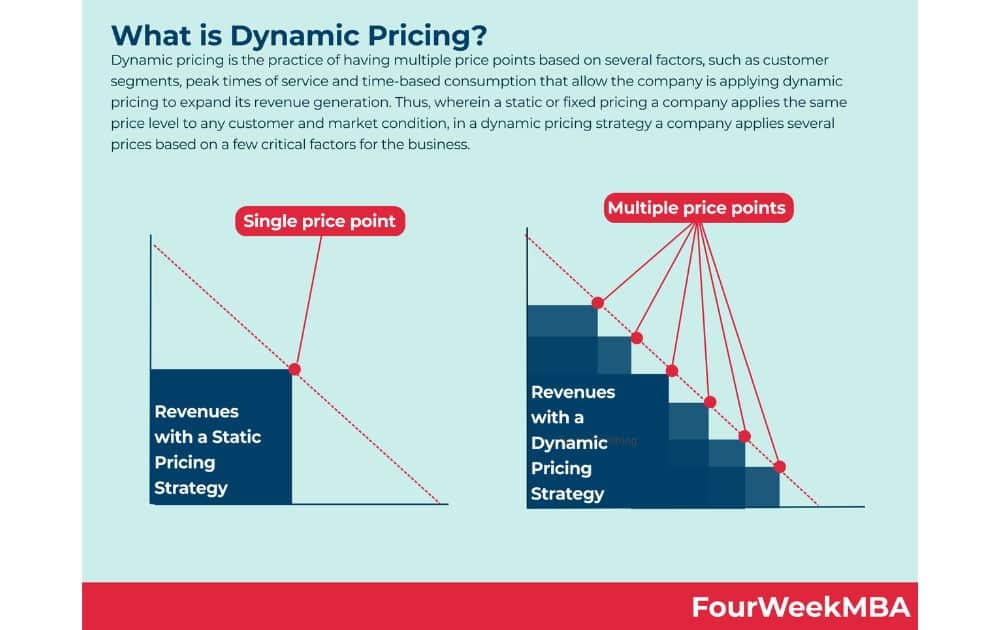
At the core of dynamic pricing is algorithmic pricing, where machine learning models take over the guesswork. These algorithms analyze everything from your competitors’ listings to customer behavior and sales trends. It’s smarter and faster than any manual method, especially if you’re trying to keep up with Amazon’s near-constant repricing.
In addition, algorithmic pricing is deeply tied to price elasticity, or how sensitive customer demand is to a change in price. For instance, if shoppers will still buy your product at $4.99 instead of $4.00, why not earn a little more?
Dynamic Pricing vs. Price Gouging
Still, not everyone is sold on the concept. A survey found that 44% of U.S. adults said they believe dynamic pricing is just another term for price gouging.
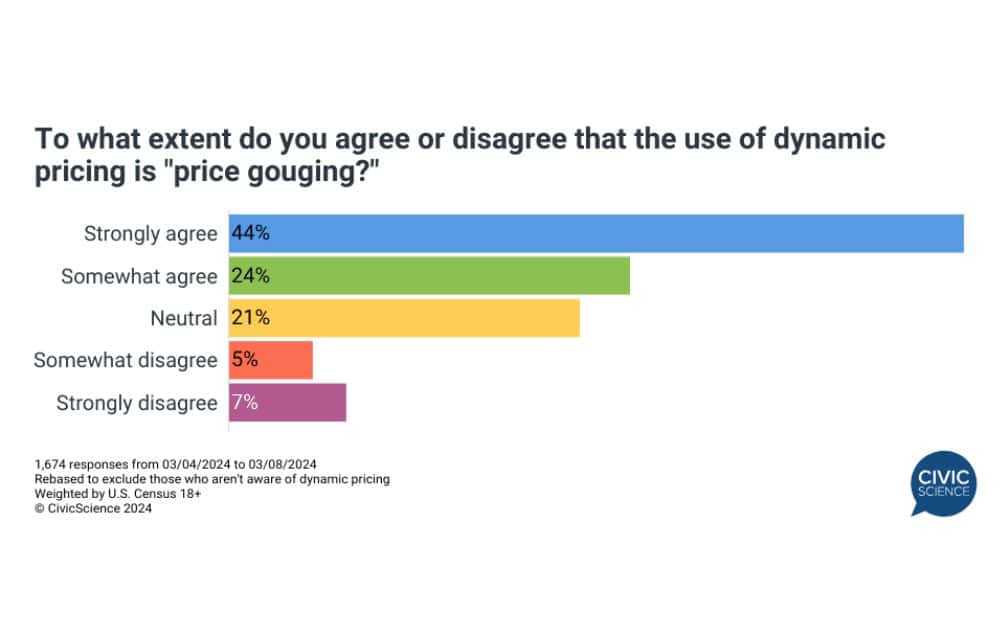
The irony? Many consumers benefit from lower prices during slow sales periods and never even realize it.
To be clear, there is a difference between the two concepts in price adjustment:
- Dynamic pricing is a legitimate strategy where prices go up or down based on real-time factors like demand, competition, or inventory. It’s commonly used in ecommerce, airlines, hotels, and ride-hailing services to stay competitive and maximize revenue.
- Price gouging, in contrast, involves raising prices to unfair levels, often during emergencies or times of high demand. Think of it as raising the price of bottled water during a typhoon. It’s often illegal in many regions.
How Amazon Uses Dynamic Pricing
Amazon is constantly adjusting prices across millions of products using a deeply engineered automated pricing system.
At the heart of the Amazon pricing strategy is real-time competitor analysis. Here’s how it works:
- The algorithm tracks what similar sellers are charging, how fast items are selling, and even factors like stock availability, shipping times, and customer reviews.
- Based on that flood of data, prices shift, sometimes dozens of times a day, to stay just low enough to attract the sale, but high enough to protect margins.
Amazon’s pricing method is quick, adaptable, and largely unnoticed by the average shopper. They reflect the constant tug-of-war happening behind the scenes, including factors like:
- Seller performance metrics
- Competitor pricing shifts
- Inventory levels and restock frequency
- Customer demand trends
- Seasonal or promotional timing
- Shipping speed and fulfillment method (FBA vs FBM)
- Product page conversions and traffic
- The specific hour or day when shoppers are most active or likely to make a purchase
- Buy Box eligibility and rotation
- Price parity with other platforms
For third-party sellers, this creates both a challenge and an opportunity. If your product is priced too high, Amazon’s algorithm might skip it in favor of cheaper options. If it’s priced too low, you risk shrinking your profits. That’s why adopting automated pricing tools—especially ones that can respond to competitor activity as quickly as Amazon does—is essential.
Strategies to Compete with or Adapt to Amazon’s Pricing Model
With the right tools and mindset, you can tap into the same smart tactics used in Amazon price optimization, and turn dynamic pricing into an advantage rather than a threat.
Here are practical strategies to help you compete with or adapt to the Amazon pricing strategy:
Use Repricing Tools That Work for You
Repricing tools automate price changes on your listings to respond to real-time market conditions. Tools like Repricer Express help sellers stay competitive without manually updating prices all day.
Make sure you choose a tool compatible with Amazon or other marketplaces you may be using, such as eBay. Once you connect your seller account and sync your product catalog, you can set your pricing rules.
- Actionable Tip. Start with a small batch of products before rolling out repricing rules across your full catalog. This allows you to identify problems early and adjust your strategy with confidence.
Outsmart Your Competition
Simply matching your competitor’s rates isn’t enough. Data tells us that there are other factors that influence consumer behavior other than product price. These factors include reliable shipping, payment security, accurate descriptions, return policies and customer reviews.
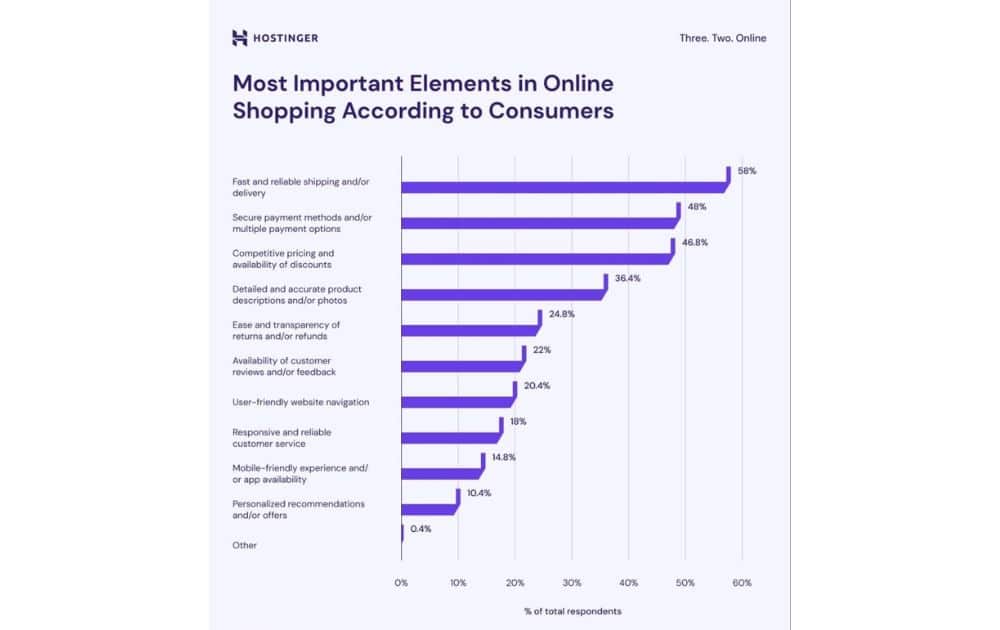
Instead of blindly matching prices, optimize your offer by leveraging unique selling points; for instance:
- Better ratings
- Product bundling
- Faster fulfillment
To do this, you first need to audit your listings. What makes your offer more appealing? Then, analyze your competitors. Adjust pricing only when your product lacks a clear advantage. It’s also a good idea to highlight differentiators in your product description and images.
- Actionable Tip. If you’re not sure how to position your listings for maximum impact, consider working with a team like AMZ Advisers. Our Amazon account management services can help you showcase the qualities that make your product worth more, so you compete based on value, not just price.
Set Strategic Price Floors and Ceilings
To avoid shrinking profits in a pricing war, you can define minimum and maximum price limits in their repricing setup.
To do this, calculate your breakeven point, including your Amazon fees, shipping, and product cost. Then, set your minimum price above breakeven to stay profitable. After which, define a max price for when your competition runs out of stock or demand surges.
- Actionable Tip. Revisit your price boundaries monthly. Market conditions and Amazon fees change regularly—so should your thresholds.
Monitor Competitor Activity Regularly
Amazon’s algorithm constantly responds to competitors. That said, staying aware of their movements helps you react before you lose the sale.
Here are a few ways to monitor your competitors:
- Track top competitors for your main SKUs.
- If you’re using repricers or third-party tools, set up competitor alerts.
- Watch for stockouts, review dips, or sudden price changes.
- Adjust your pricing, bundling, or pay-per-click (PPC) bids accordingly.
For instance, if your top competitor’s inventory goes out of stock and you get notified through your alerts, you can adjust your pricing while still dominating the search results.
- Actionable Tip. Even without third-party tools, you can stay ahead by creating a simple competitor tracker sheet. Set a weekly reminder to check prices, reviews, and stock levels on your top competing listings. Small, consistent check-ins can make a big difference in catching opportunities others miss.
Risks of Dynamic Pricing (and How to Avoid Them)
Just like any other process in ecommerce, dynamic pricing can have its downsides. Here are some key risks to watch out for—and how to manage them:
Price Volatility Can Hurt Customer Trust
An Amazon price change once in a while might go unnoticed, but when it happens on a regular basis, shoppers may see it as unfair or inconsistent. This could lead to reduced trust or cart abandonment, especially if a buyer notices a product they purchased last week is now cheaper.
- How to avoid it. Set tighter rules in your repricing tool to control how often and how drastically your prices fluctuate. Try to limit visible changes within short timeframes to avoid confusing loyal customers.
The Race to the Bottom
One of the biggest dangers of dynamic pricing is the temptation to constantly undercut the competition. This can shrink margins fast, and once the standard is set, it’s hard to go back up.
- How to avoid it. Establish a clear price floor based on your cost and desired profit margin. Refrain from always being the lowest-priced offer; instead, aim to be the best value, factoring in shipping speed, reviews, and bundle offers.
Violating Amazon’s Fair Pricing Policy
Amazon closely monitors listings for what it considers “unfair pricing.” If your prices spike too high compared to other sellers or other platforms, you could lose the Buy Box or get suppressed from search results altogether.
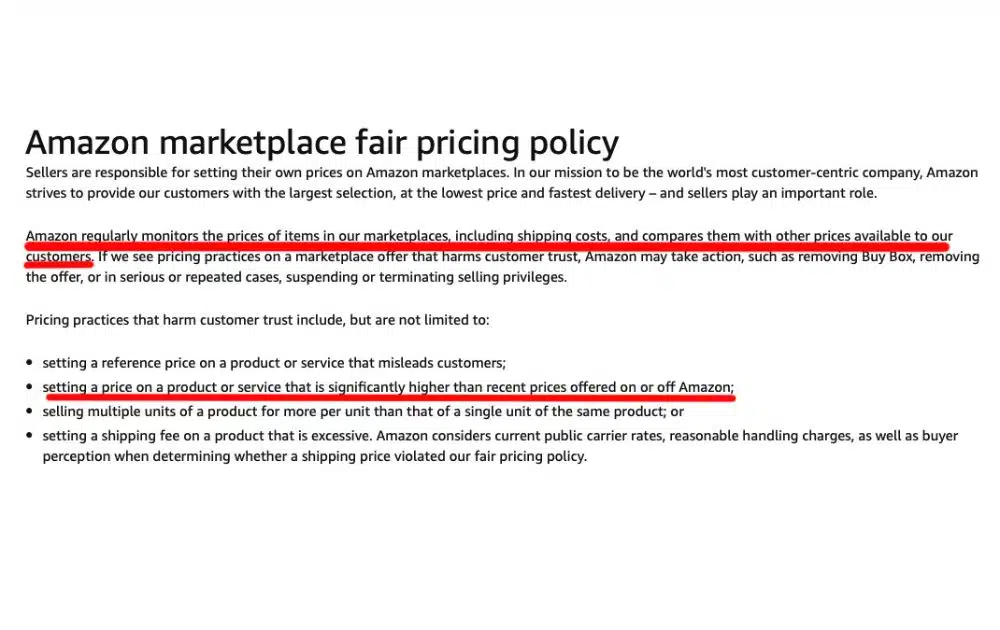
- How to avoid it. Understand and follow Amazon’s pricing parity guidelines. Monitor your prices not just on Amazon, but across all sales channels to avoid triggering the Amazon effect.
Make Dynamic Pricing Work for You
Dynamic pricing can be a powerful lever that can either grow your Amazon business or quietly chip away at your profits if you’re not paying attention. The key isn’t to fear it, but to use it with intention.
You don’t need to change prices every minute, but you do need to stay responsive. Whether you’re using automation or managing prices manually, a smart approach to dynamic pricing can give you the edge you need to protect your margins and build a brand that lasts.
Author
 Carla Bauto Deña is a journalist and content writer producing stories for traditional and digital media. She believes in empowering small businesses with the help of innovative solutions, such as ecommerce and digital marketing.
The post Make the Amazon Dynamic Pricing Strategy Work for You appeared first on AMZ Advisers.

