
Can someone help me out with a business invitation code?
Can someone help me out with a business invitation code?
submitted by /u/sizzzurrpp
[link] [comments]
What is going on with Amazon?
I bought 36 units of an eye care product. Sent it off to Amazon and they sold in less than a week. Quick and easy.
So I make a deal with my supplier. Bought 320 units, around 8000 dollars. Send it off to Amazon…
But i can’t make a single sale now. The item sells 500 plus units a month. I lowered my price and have the buy box. But even after a week I can’t get a sale.
I am not sure what to do. But recently i had had some items that not selling well after i restock them .. but never this bad
submitted by /u/Pixel_Mason
[link] [comments]
What is going on with Amazon?
I bought 36 units of an eye care product. Sent it off to Amazon and they sold in less than a week. Quick and easy.
So I make a deal with my supplier. Bought 320 units, around 8000 dollars. Send it off to Amazon…
But i can’t make a single sale now. The item sells 500 plus units a month. I lowered my price and have the buy box. But even after a week I can’t get a sale.
I am not sure what to do. But recently i had had some items that not selling well after i restock them .. but never this bad
submitted by /u/Pixel_Mason
[link] [comments]
Is it possible to use a credit card for buy shipping thru amz?
Whenever I do buy shipping for my FBM orders the shipping costs gets deducted from the balance/proceeds which makes sense. Any way to charge it to a CC for the points? Just curious if it’s possible cuz who doesn’t want points haha
submitted by /u/sahaj30
[link] [comments]
Is it possible to use a credit card for buy shipping thru amz?
Whenever I do buy shipping for my FBM orders the shipping costs gets deducted from the balance/proceeds which makes sense. Any way to charge it to a CC for the points? Just curious if it’s possible cuz who doesn’t want points haha
submitted by /u/sahaj30
[link] [comments]
Calling seller support and hearing roosters in the background
2/5 calls hearing a whole barn in the background.
submitted by /u/dgtexan14
[link] [comments]
Calling seller support and hearing roosters in the background
2/5 calls hearing a whole barn in the background.
submitted by /u/dgtexan14
[link] [comments]
Just took over for my Friends of the library store and have a question about media mail shipping
So I am just taking over the book selling for my local libraries Friends of the library program. I noticed all shipping seems to be locked at 3.99 which is what I think Media mail flat rate was but many of the packages now have a higher shipping cost than that. So is there a way to adjust the cost that I am missing…or do sellers just have to bake it into the cost of the books now that media mail has increased?
submitted by /u/Lokishougan
[link] [comments]
Just took over for my Friends of the library store and have a question about media mail shipping
So I am just taking over the book selling for my local libraries Friends of the library program. I noticed all shipping seems to be locked at 3.99 which is what I think Media mail flat rate was but many of the packages now have a higher shipping cost than that. So is there a way to adjust the cost that I am missing…or do sellers just have to bake it into the cost of the books now that media mail has increased?
submitted by /u/Lokishougan
[link] [comments]
How You Can Prevent Counterfeiting on Amazon
Counterfeiting is more than just a seller’s headache. In Amazon and other platforms, it’s a marketplace-wide problem that damages trust, profits, and brand identity.
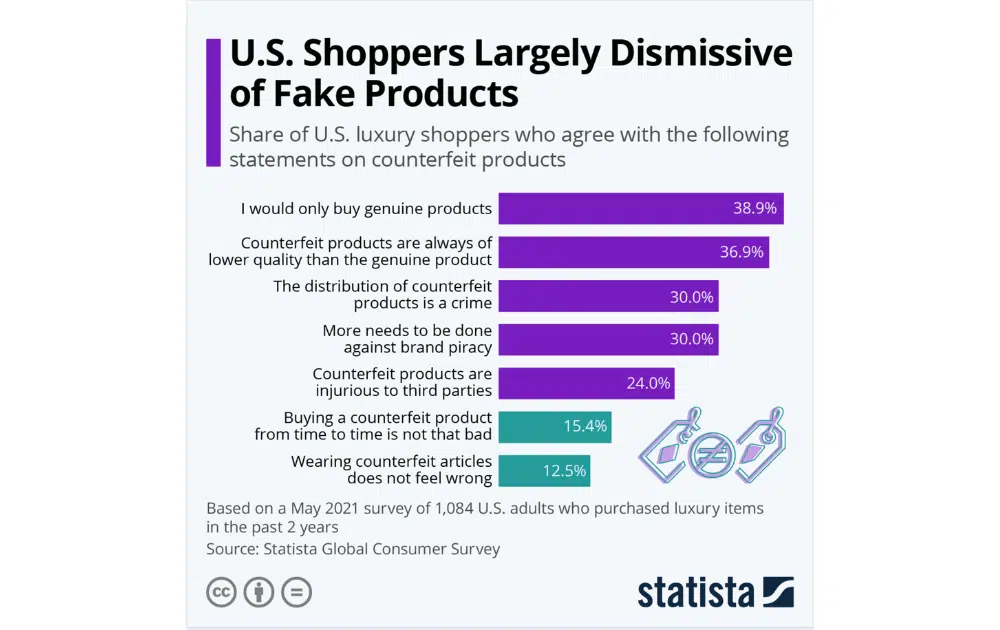
In fact, a survey of U.S. luxury shoppers found that 38.9% say they would only buy genuine products, and 36.9% believe counterfeits are always of lower quality. Yet, nearly 15.4% admit to buying fake items occasionally, and 12.5% don’t see wearing them as wrong.
That steady, ongoing demand creates an opening for counterfeit goods to make their way onto legitimate marketplaces like Amazon, putting both well-known brands and emerging sellers at risk.
Let’s break down everything you need to know about counterfeiting, including how to stop it, safeguarding your business reputation, and giving customers the confidence to choose you over a cheaper knock-off.
What is Counterfeiting?
Counterfeiting is the act of producing and selling goods designed to imitate genuine products, often by illegally using a brand’s name, logo, or other identifying marks.
These counterfeiting goods are typically made without authorization and aim to deceive buyers into believing they are purchasing the real thing. While some counterfeit items are obvious knock-offs, others are sophisticated enough to fool even experienced shoppers.
At its core, trademark counterfeiting is a direct violation of IP laws. It involves the unauthorized use of a registered trademark on products with the intent to pass them off as authentic. This isn’t just a business issue; it’s a legal crime that can lead to fines, lawsuits, and even prison time for offenders.
The scale of the problem is clear from global buying behavior. 40% of U.S. luxury shoppers admitted to having purchased a counterfeit product; 20% on purpose, and another 20% by mistake.
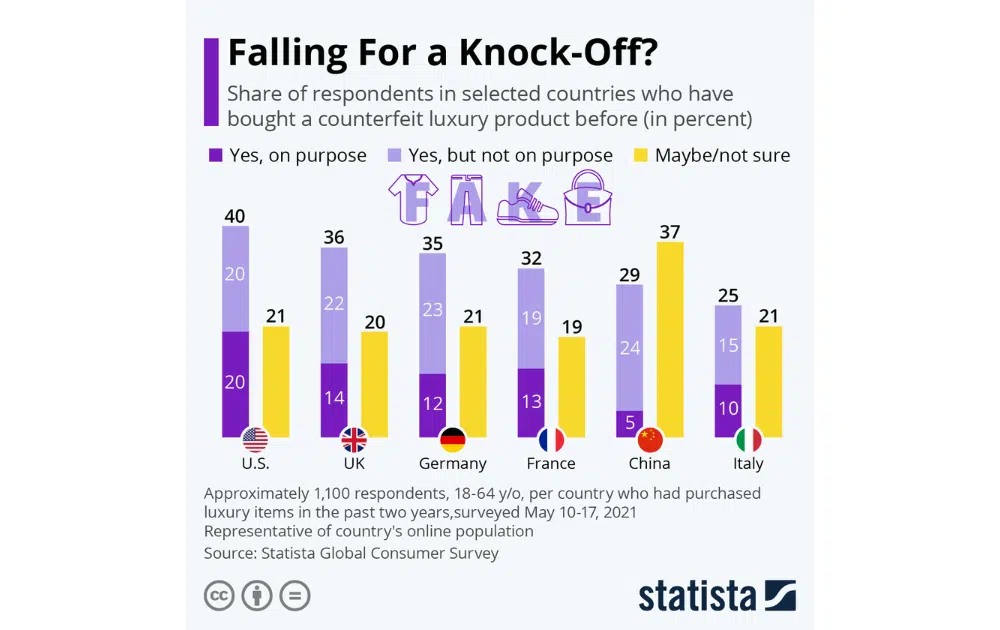
Similar patterns emerge in other markets like the UK (36%) and Germany (35%), proving that counterfeit goods are not confined to a single region.
Why Counterfeiting is a Threat to Amazon Sellers
Counterfeiting impacts Amazon sellers on multiple fronts, from lost sales to damaged reputations. Here’s why it’s such a serious issue:
Brand Reputation Damage
Counterfeiting has the potential to damage a seller’s reputation more quickly than nearly any other challenge on Amazon.
When customers unknowingly purchase counterfeit products, they often judge the quality of the counterfeit as if it were the real thing. The result is often a wave of negative reviews, lowered ratings, and diminished customer trust in the brand.
Counterfeit Listings Mimic Best-Sellers
Counterfeiters often focus on Amazon’s best-selling products because their high visibility and strong demand make them lucrative targets. They replicate the genuine listing by stealing images, descriptions, and even brand logos, making their goods appear authentic.
These listings can remain active long enough to siphon sales, confuse customers, and dilute the brand’s market presence before Amazon detects and removes them.
Loss of Revenue
Every sale made by a counterfeiter is a lost sale for the legitimate seller. This loss isn’t limited to one transaction, but it often results in reduced repeat business, fewer positive reviews, and diminished search visibility.
Refunds and returns for counterfeit goods also cut into profits, while legitimate sellers are left covering the costs of mistakes they didn’t make.
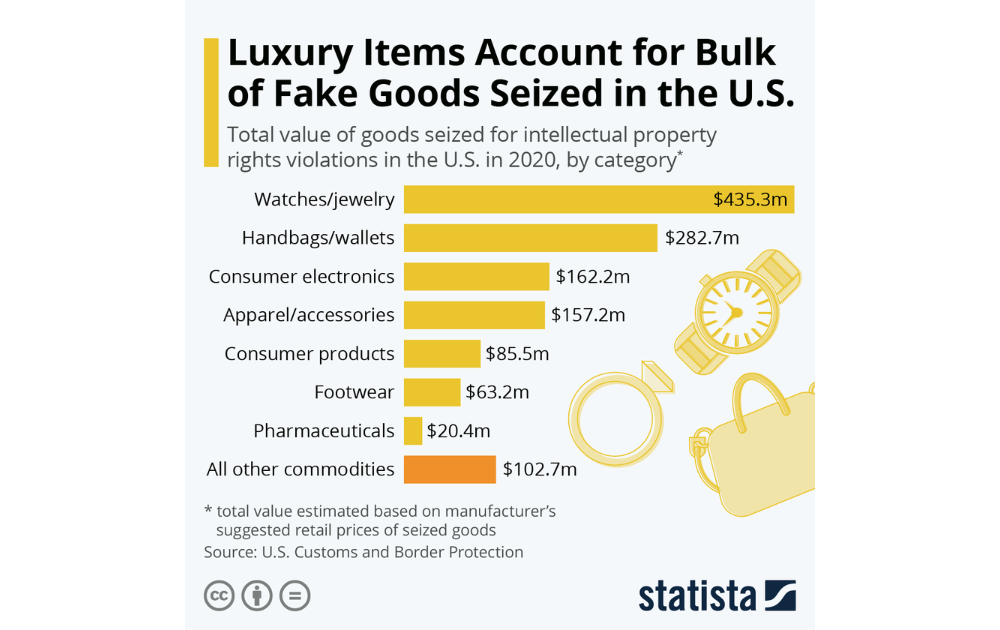
The scale of these losses becomes clearer when looking at seizure data from the U.S. Customs and Border Protection. In 2020, the total value of goods seized for IP rights violations reached hundreds of millions of dollars, with watches and jewelry alone worth $435.3 million.
Legal and Policy Risks
Trademark counterfeiting is a serious intellectual property violation that can lead to lawsuits, fines, and in some cases, criminal charges. Even when a seller is the victim, being linked to counterfeit products can trigger time-consuming disputes or investigations.
In high-risk categories such as electronics, cosmetics, and children’s toys, counterfeit goods can also pose safety hazards, increasing the risk of liability claims.
Inside Amazon’s Anti-Counterfeiting Efforts
Amazon has built an extensive ecosystem of tools, programs, and enforcement units to combat counterfeiting and protect both brands and customers. These efforts combine advanced technology, brand collaboration, and legal action to stop counterfeiters before their products ever reach the marketplace.
Amazon Brand Registry
At the core of the marketplace’s anti-counterfeiting approach is the Amazon Brand Registry. This no-cost program empowers registered brand owners with enhanced control over their product listings, specialized search tools, and streamlined channels for reporting suspected infringements.
Enrolled brands also gain from Amazon’s predictive protections, which proactively block infringing listings—allowing sellers to safeguard their brand reputation without the need for constant manual oversight.
Amazon Project Zero
Amazon Project Zero takes brand protection a step further by combining Amazon’s machine learning with direct brand input.
After joining, brands have the ability to directly take down counterfeit listings, eliminating the need to wait for Amazon’s approval. This proactive approach has helped many companies quickly eliminate fake products before they can impact sales or reputation.
Transparency Program (Amazon)
The Transparency Program is Amazon’s product serialization service, designed to verify authenticity before a product is shipped to a customer. Each product in the program is assigned a unique code that Amazon checks before shipment, ensuring customers receive only genuine items.
As of 2024, Transparency has enrolled 88,000 brands worldwide, from Fortune 500 companies to startups, underscoring its broad adoption across industries.
Amazon Counterfeit Crimes Unit
The Amazon Counterfeit Crimes Unit (CCU) is a global team of former federal prosecutors, investigators, and data analysts who track and prosecute counterfeiters. The CCU works with brands, law enforcement agencies, and customs officials to identify and dismantle criminal networks.
In June 2025, the CCU said it had expanded to 12 countries and had initiated more than 200 civil actions against violators.
How to Prevent Counterfeiting
Amazon’s proactive controls are central to its success in fighting counterfeiting. According to the 2024 Brand Protection Report, over 99% of suspected infringing listings were intercepted and blocked before brands even needed to flag them.
In the same year, Amazon located, seized, and destroyed more than 15 million counterfeit items worldwide, preventing them from reaching customers or reentering the retail supply chain.

Tools such as the Transparency Program and Brand Registry work in tandem with advanced AI technology to identify and shut down counterfeit operations quickly.
These combined initiatives show that while counterfeiting remains a global challenge, Amazon’s layered defense offers sellers robust protection against counterfeit threats.
Despite Amazon’s efforts to fight counterfeiting, brand owners and sellers have a responsibility to be proactive in protecting their products. Here are key strategies you can implement to minimize risks, deal with counterfeit sellers, and remove counterfeit products when they appear:
Actively Monitor Your Listings
Keeping an eye on your own listings is one of the most effective ways to spot counterfeit activity early. Watch for sudden price drops, unauthorized sellers, or customer reviews complaining about quality—these can all be red flags for counterfeit products.
- Actionable Tip. Set up automated alerts using Amazon’s Brand Registry or third-party monitoring tools so you’re notified immediately when suspicious changes or sellers appear on your listings.
Enforce Intellectual Property Rights Quickly
Counterfeit sellers often take advantage of slow response times. If you spot unauthorized use of your brand name, logo, or product images, act fast by filing an infringement report through Amazon’s Brand Registry.
- Actionable Tip. Keep your trademark registration and brand documents ready for quick submission so you can immediately request the removal of counterfeit products without delay.
Use Amazon’s Brand Protection Tools
Leverage Amazon’s programs to strengthen your defense. Project Zero allows you to remove counterfeit products directly; Transparency verifies authenticity before shipping; and the CCU can take legal action against counterfeit sellers.
Even if you haven’t yet faced counterfeiting issues, prevention is more cost-effective than damage control.
- Actionable Tip. Need expert guidance on making the most out of Amazon’s programs and growing your business overall? Reach out to AMZ Advisers. Trusted by brands around the globe, their consultants can help you navigate Amazon’s complex ecosystem, from enrolling in brand protection programs to optimizing your listings for maximum visibility and sales. With tailored strategies and hands-on support, we can work with you to build a stronger, more resilient presence on Amazon, so you can focus on scaling your brand with confidence.
Educate Your Customers
An informed customer is less likely to fall for counterfeit products. Use your storefront, product packaging, and social media channels to share tips on identifying genuine items.
- Actionable Tip. Include authenticity verification steps, like checking for a Transparency code, on your product detail pages to help customers make confident purchasing decisions.
The Lowdown
Counterfeiting is a persistent and costly threat for sellers, capable of undermining brand reputation, draining revenue, and damaging customer trust. While Amazon’s multi-layered defenses are powerful tools in the fight against fake goods, they work best when combined with a seller’s own proactive measures.
Monitoring listings, enforcing intellectual property rights promptly, leveraging Amazon’s protection programs, and educating customers can significantly reduce the risk posed by counterfeit sellers.
With the right strategies, you can protect your listings, preserve your reputation, and ensure customers receive only authentic products.
Author
 Carla Bauto Deña is a journalist and content writer producing stories for traditional and digital media. She believes in empowering small businesses with the help of innovative solutions, such as ecommerce, digital marketing, and data analytics.
The post How You Can Prevent Counterfeiting on Amazon appeared first on AMZ Advisers.

